VeloBank Global Dashboard
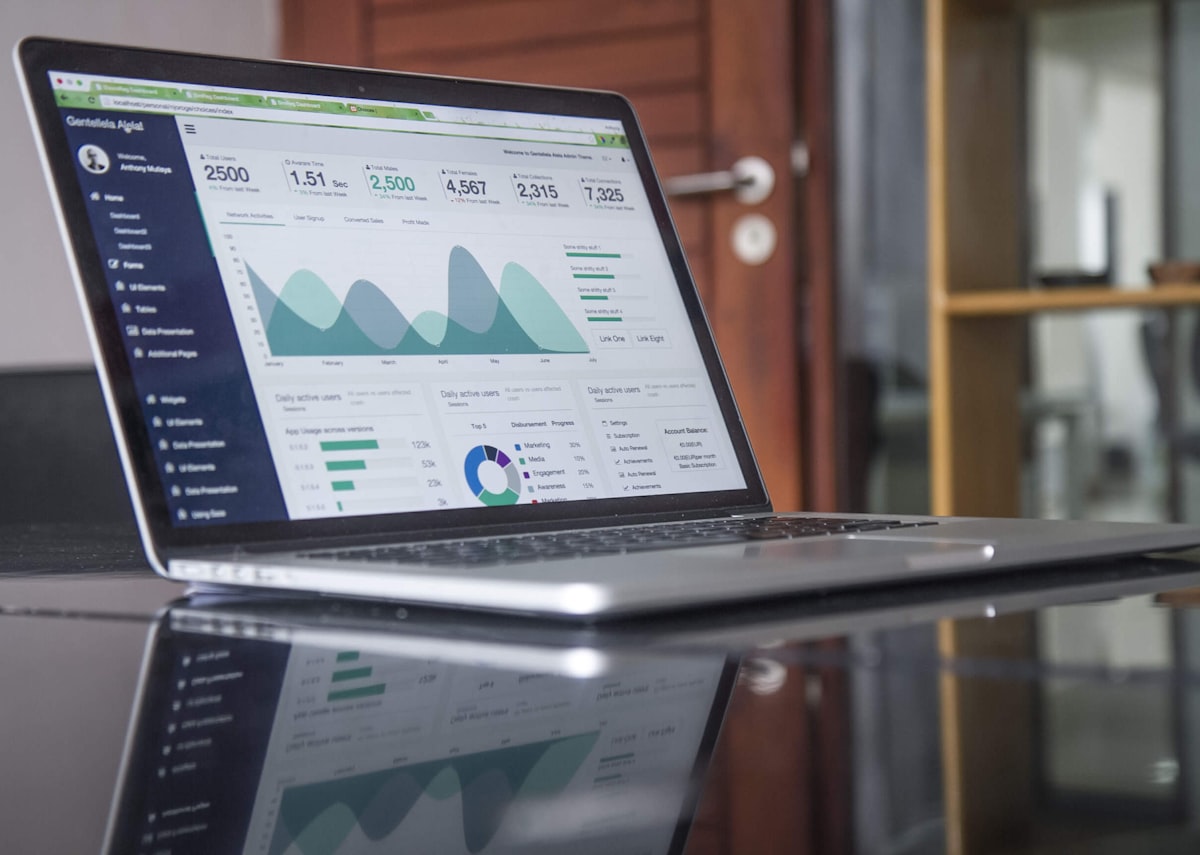
A global dashboard built for real-time decisioning: clean signal surfaces, predictable interaction under load, and production-first data plumbing so operators can act with confidence.
Lower Noise
Signal-first views designed to reduce cognitive overload.
Faster Decisions
Hot paths optimized for "see, verify, act" workflows.
Operational Ready
Backpressure, replay, and runbook-backed reliability posture.
Business problem
During high-volatility sessions, teams were working with fragmented views: market data in one place, positions elsewhere, and risk signals arriving in inconsistent formats. The result was slow triage, duplicated checks, and "alert floods" that made it harder to identify what truly mattered.
- Unify key decision signals into a single, trusted surface
- Keep interaction stable under bursty traffic and frequent refresh
- Make data lineage and changes reviewable for audit and incident response
What we delivered
- Real-time dashboard with prioritized "signal boards" and drill-down context
- Data normalization layer with quality gates and schema discipline
- Event-driven update path for live views, with fallbacks for degraded modes
- Evidence trails: what changed, when it changed, and what it impacted
Operating context
What a "good" dashboard must do
- Prioritize the few signals that matter, without hiding supporting evidence
- Stay responsive when update frequency increases
- Support quick verification: consistent timestamps, units, and definitions
- Allow safe collaboration: annotations, shared filters, and predictable navigation
What can break trust
- Silent drops: missing updates that look "normal" but are actually stale
- Schema drift: fields changing meaning over time without obvious warning
- Over-alerting: everything looks urgent, so nothing is urgent
- Opaque signals: operators can't explain why something is firing
Technical solution (high level)
The key was designing a "hot path" that stays stable under bursty updates while keeping the data explainable: clean normalization, explicit quality gates, and a dashboard that surfaces evidence alongside the signal.
How we kept it safe and dependable
Controls and auditability
- Least-privilege access patterns and role-appropriate views
- Change tracking for definitions and transformations
- Clear lineage cues: when the number changed and what inputs moved
- Separation between observation and action workflows
Production posture
- Backpressure handling and degraded-mode fallbacks
- Replay strategy for recovering missed windows safely
- Monitoring aligned to operator actions, not generic graphs
- Runbooks for incident triage and trust restoration